
How Medical Lab Assistants Support Patient Care Behind the Scenes
When most people picture healthcare, they imagine doctors and nurses working at bedsides, or surgeons operating in scrub suits. While these roles are essential, there is an entire world of healthcare happening behind closed doors, and it plays a massive part in saving lives every single day.
A key player in the medical field is the Medical Laboratory Assistant (MLA). These dedicated professionals process thousands of samples daily to give doctors the answers they need.
Understanding how Medical Laboratory Assistants support patient care behind the scenes shows why this career path is one of the most vital choices in modern healthcare.
1. Medical Lab Assistants Are the First Line of Specimen Collection
Before a laboratory can analyze a blood, tissue, or fluid sample, someone has to collect it. That is where Medical Laboratory Assistants come in.
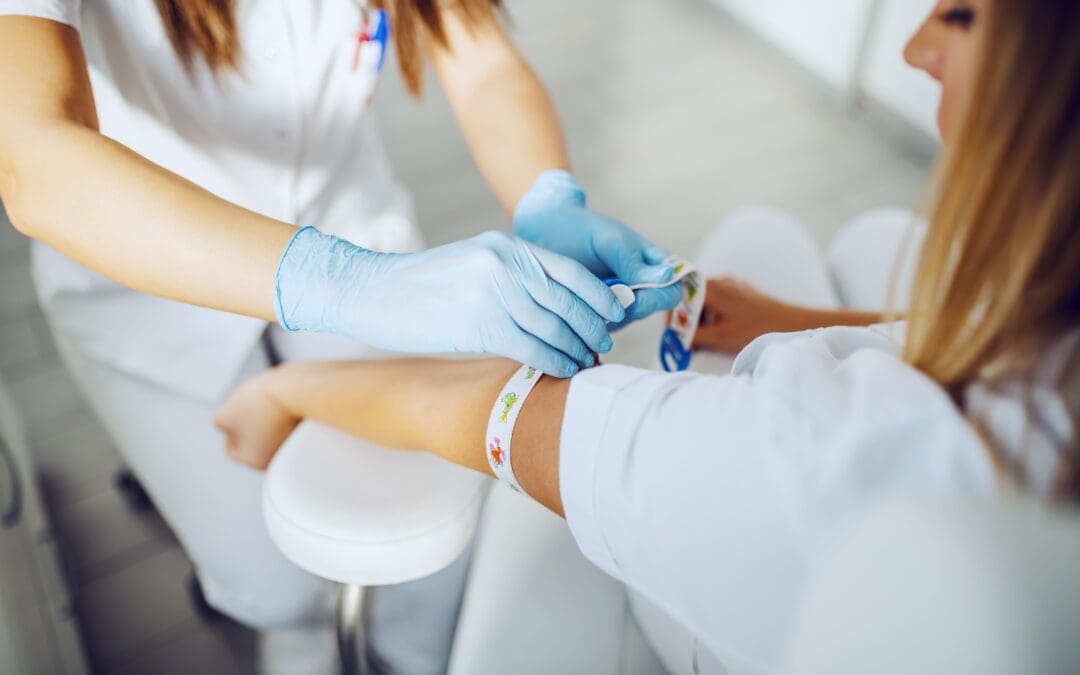
MLAs are trained in phlebotomy (the procedure of drawing blood safely) and in collecting various diagnostic samples. For many patients, the MLA is the only face-to-face interaction they will have with the laboratory team. A great MLA knows how to put anxious patients at ease, perform precise collections with minimal discomfort, and uphold strict safety standards to prevent contamination.
2. Accuracy of Diagnostic Tests
Doctors rely heavily on lab results to make critical decisions, from diagnosing illnesses like diabetes, anemia, and infections, to choosing the right treatment plan for cancer patients.
However, a lab test is only as accurate as the sample provided. MLAs are responsible for pre-analytical laboratory tasks, including:
- Verifying patient information to prevent dangerous mix-ups.
- Preparing and centrifuging blood samples to separate plasma and serum for analysis.
- Preserving biological specimens using specific chemicals or refrigeration temperatures.
Loading samples into automated analyzers so Medical Laboratory Technologists can review the findings.
If a sample is improperly handled, the test result could be inaccurate, meaning a patient might receive the wrong treatment. Medical Laboratory Assistants act as the strict quality checkers who ensure every sample is valid before testing begins.
3. They Bridge the Gap Between Patients and Techs
In a busy hospital setting, time is everything. When a patient arrives in the emergency room with chest pain, doctors need heart-enzyme lab results immediately.
MLAs streamline the workflow by prioritizing urgent samples, logging them into Laboratory Information Systems, and delivering them to specialized technologists. By taking charge of sample preparation, administrative organization, and equipment care, MLAs allow the entire diagnostic team to work faster and save critical time when lives are on the line.
4. They Maintain Laboratory Safety and Standards
Working with biological samples requires strict adherence to infection control, chemical safety, and sterilization protocols. Medical Laboratory Assistants manage the day-to-day safety and operational standards of the lab, including:
- Cleaning and calibrating lab machinery.
- Tracking inventory so essential chemicals and collection tubes never run out.
- Managing biohazardous waste disposal safely.
By keeping the environment sterile, organized, and compliant with safety guidelines, MLAs safeguard their colleagues, themselves, and ultimate patient health.
Essential Skills for Future MLAs
Success as a Medical Laboratory Assistant requires a unique balance of technical expertise and personal care. The key skills for this role include:
- Attention to Detail: Small details like reading tiny tube labels and double-checking codes make a huge difference in patient outcomes.
- Communication Skills: Communicating clearly with patients, doctors, and lab team members is essential.
- Compassion & Calm: Being able to reassure nervous patients during blood draws.
- Organization & Speed: Managing fast-paced workflows while maintaining complete accuracy.
Start Your Healthcare Career with West Coast College
If you want to enter the medical field, work directly with science, and make a real impact on patient outcomes, becoming a Medical Laboratory Assistant is a fantastic career move.
West Coast College of Health Care’s Medical Laboratory Assistant Diploma Program gives you the real-world skills and hands-on confidence needed to launch your career in just 28 weeks.
We offer:
- Hands-On Training: Learn phlebotomy, specimen handling, medical terminology, and laboratory safety in a supportive environment.
- Guaranteed Practicum Placement: Gain 4 weeks of hands-on experience in a real hospital or private diagnostic lab arranged directly by our team.
- Small Class Sizes & Mentor Support: Learn directly from experienced industry instructors who care about your professional growth.
Space in our specialized program is limited. West Coast College offers two program intakes per year in May and October. Don’t wait to start a rewarding career in healthcare! Visit our Admission Process Page to learn more about entry requirements and tuition details.
Have questions? Reach out to our admissions team directly at admin@westcoastcollege.com to secure your spot for the upcoming intake!